
The research peptide literature is full of abbreviated compound names that mean little to the newcomer: BPC-157, TB-500, GHK-Cu, MOTS-C. Behind each code lies a defined chemical entity with a specific structure and a documented place in published research. This glossary explains the seven compounds most frequently encountered in the UK research supply market — strictly in chemical and laboratory-research context.
An important note on scope: this article describes what these compounds are and where they appear in research literature. It makes no claims about effects, applications or outcomes. All compounds discussed are supplied strictly for laboratory research use only — never for human or veterinary consumption, and never for medical, therapeutic or diagnostic use.
BPC-157
Class: pentadecapeptide (15 amino acids). Research context: the sequence is derived from a protein identified in human gastric juice, and the compound appears in published research literature concerning gastrointestinal models and connective-tissue research. It is one of the most frequently referenced peptides in the broader research-chemical literature, which makes the quality of its analytical documentation — batch-specific HPLC and mass spectrometry data — particularly worth scrutinising when sourcing.
TB-500
Class: synthetic peptide fragment. Research context: TB-500 corresponds to a portion of Thymosin Beta-4, a naturally occurring 43-amino-acid protein involved in cell biology. The fragment is studied in research models of cell migration and tissue processes. As with all research peptides, published literature describes investigational findings in controlled models — not established applications.
GHK-Cu
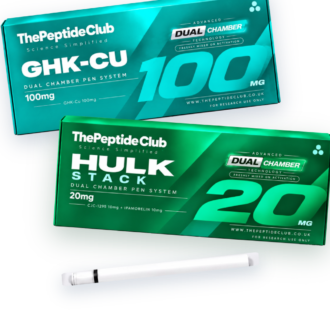
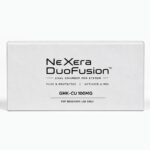
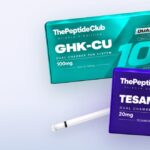
Class: copper-binding tripeptide (glycyl-L-histidyl-L-lysine complexed with a copper ion). Research context: first identified in human plasma, GHK-Cu is a subject of dermatological and wound-model research literature, as well as cosmetic-science publications investigating copper-peptide chemistry. Its distinctive blue colour in solution — from the copper complex — makes it instantly recognisable in the laboratory.
Ipamorelin
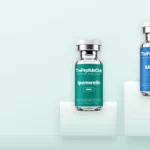
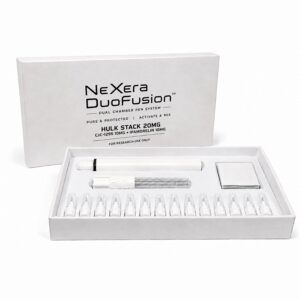
Class: pentapeptide (5 amino acids). Research context: classified in the research literature as a growth hormone secretagogue — a compound studied for its interaction with the ghrelin receptor in endocrinology research models. It is distinguished in the literature from earlier secretagogues by its reported receptor selectivity profile in investigational settings.
Tesamorelin
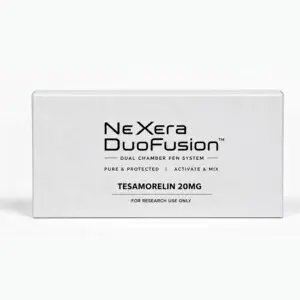
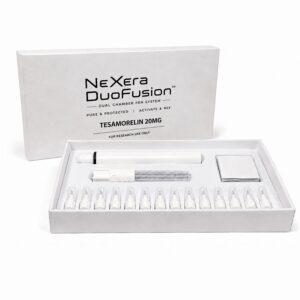
Class: 44-amino-acid synthetic analogue of growth hormone-releasing hormone (GHRH). Research context: tesamorelin has been investigated in published metabolic research, including studies concerning adipose tissue. It is among the larger synthetic peptides in common research supply, and its size makes rigorous mass spectrometry identity confirmation especially important on its Certificate of Analysis.
MOTS-C
Class: mitochondrial-derived peptide (16 amino acids). Research context: encoded within the mitochondrial genome rather than nuclear DNA, MOTS-C is studied in metabolic research and in the biology of ageing. It represents a newer category of research compound — mitochondrial-derived peptides — that has attracted significant academic attention in recent years.
NAD+
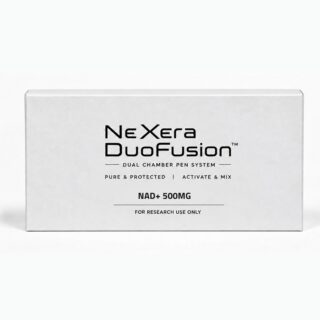
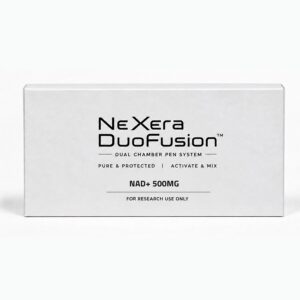
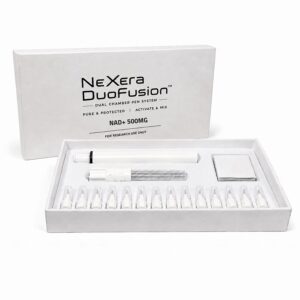
Class: coenzyme — strictly speaking, not a peptide at all. Research context: nicotinamide adenine dinucleotide is a nucleotide-derived coenzyme central to cellular redox metabolism, shuttling electrons in metabolic pathways. It is one of the most widely used reference materials in metabolism and ageing research, which is why it is commonly stocked alongside research peptides — including our NAD+ 500mg laboratory format, supplied with batch-specific documentation like every product in our shop.
Using This Glossary Responsibly
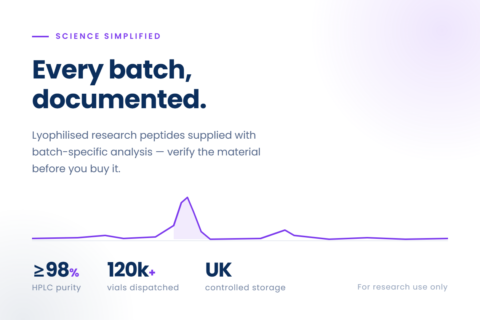
A glossary entry is a starting point, not a research programme. If any of these compounds is relevant to your work, the next steps are the same as for any laboratory material: consult the primary literature, verify the compound’s analytical specification, and source it from a supplier that provides batch-specific Certificates of Analysis with HPLC purity and mass spectrometry identity data.
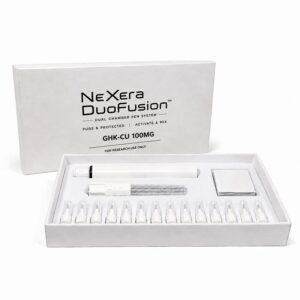
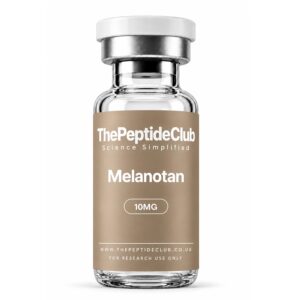
Be cautious of any source — supplier, forum or publication — that describes these compounds in terms of human outcomes. Legitimate research discourse discusses mechanisms, models and measurements. Anything framed around personal use falls outside laboratory research and outside what responsible UK suppliers support. Our vials and pen systems ranges, and our FAQs, all reflect that boundary.
FAQs
What does BPC-157 stand for?
BPC-157 is a 15-amino-acid research peptide (a pentadecapeptide) whose sequence derives from a protein identified in human gastric juice. It appears in published research literature on gastrointestinal and connective-tissue models, supplied strictly for laboratory research use only.
Is NAD+ a peptide?
No. NAD+ (nicotinamide adenine dinucleotide) is a coenzyme involved in cellular redox metabolism, not a peptide. It is commonly stocked alongside research peptides because of its central role as a reference material in metabolism and ageing research.
Where can I find reliable information on these compounds?
Peer-reviewed primary literature is the authoritative source. For supply-side documentation, insist on batch-specific Certificates of Analysis with HPLC and mass spectrometry data from any UK supplier you consider.
Disclaimer: All products referenced are supplied strictly for laboratory research use only. They are not for human or veterinary consumption, nor for medical, therapeutic or diagnostic use.