When ordering research peptides in the UK, you will usually encounter two presentation formats: lyophilised vials and dual-chamber pen systems. Both contain the same class of material — freeze-dried research peptides, supplied strictly for laboratory research use only — but they differ in handling, compatibility and cost. Choosing between them is a practical decision about your laboratory’s workflow, not a question of which contains the “better” peptide.
This guide compares the two formats honestly: what each one is, where each excels, and how to decide which suits your work. Whichever you choose, the quality fundamentals — batch-specific Certificates of Analysis, HPLC purity data and mass spectrometry identity confirmation — remain exactly the same.
Lyophilised Vials: The Laboratory Standard
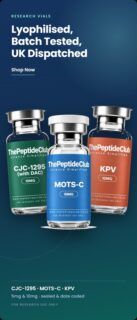
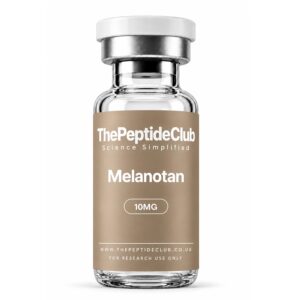
The glass vial is the traditional presentation for research peptides and remains the default in most laboratories. The lyophilised peptide sits as a dry cake at the bottom of a sealed, sterile vial — typically closed with a rubber stopper and aluminium crimp cap — protected from moisture, light and contamination until the seal is broken.
Vials have several enduring strengths. They are universally compatible with standard laboratory equipment and procedures, available across the widest range of compounds and pack sizes, and generally the most economical option per unit. For analytical laboratories running HPLC, mass spectrometry or immunoassays, vials integrate seamlessly into existing workflows, and their simple construction leaves nothing to interfere with sensitive measurements.
The trade-off is handling: working with vials requires standard laboratory technique for accessing sealed containers, and the format offers no particular convenience features beyond simplicity itself. For most research applications, however, simplicity is precisely the point. You can browse the full selection in our vials category.
Dual-Chamber Pen Systems: Designed for Handling
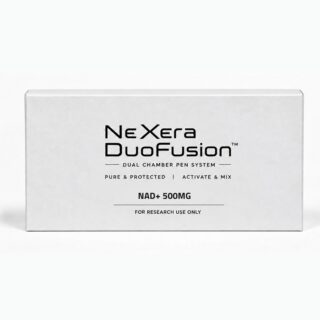
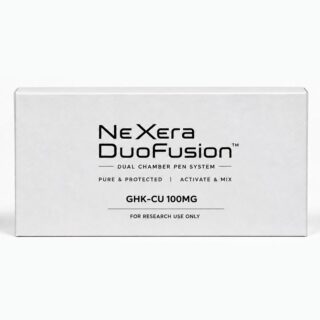
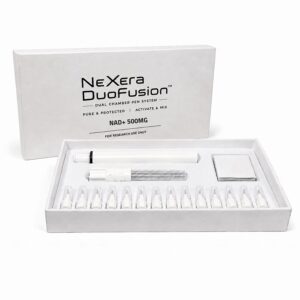
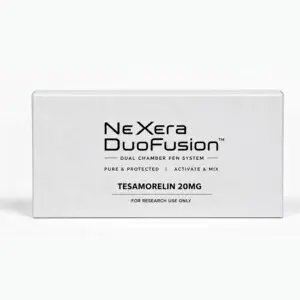
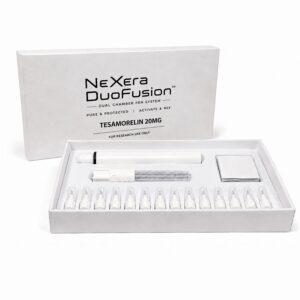
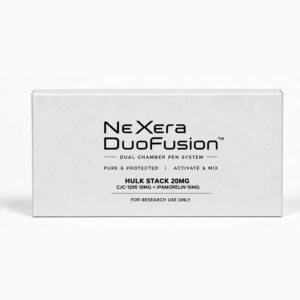
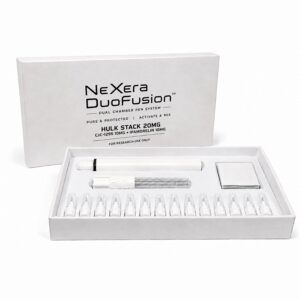
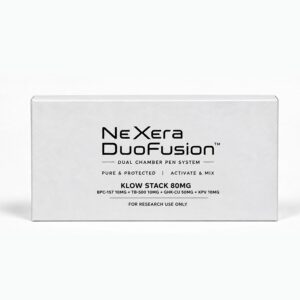
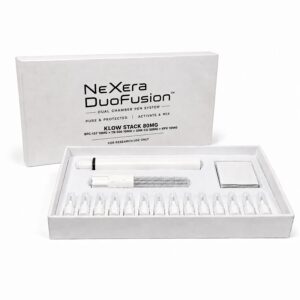
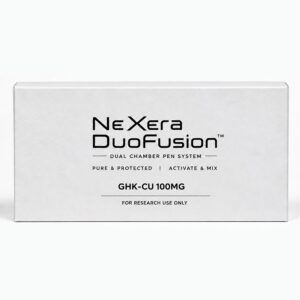
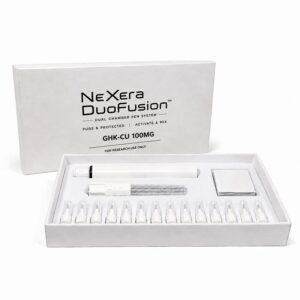
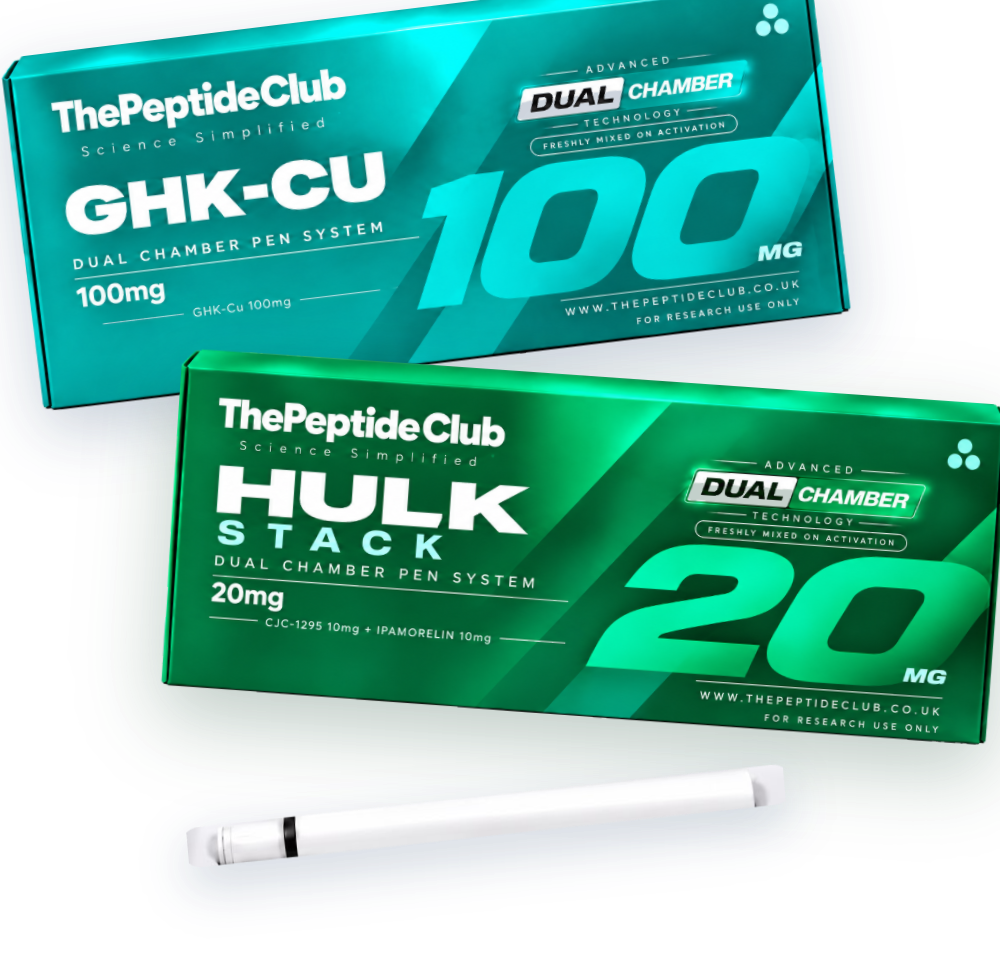
Dual-chamber pen systems present the lyophilised peptide in a precision-engineered device format. As the name indicates, the system contains two chambers within a pen-style housing, designed to keep components separated and to support controlled, consistent handling in the laboratory setting.
The appeal of pen systems lies in convenience and consistency. The format is compact, clean to handle, and well suited to laboratories that value streamlined workflows and reduced manual manipulation of primary containers. For facilities processing higher throughputs of samples, or for teams that prioritise ergonomic, standardised handling, pens can meaningfully simplify day-to-day work.
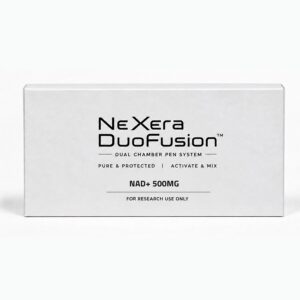
The counterweight is cost: the device engineering behind pen systems makes them the more expensive option per unit of peptide. They are a workflow choice rather than a quality choice. Our pens category shows the current range — including the NAD+ 500mg pen system — each supplied with batch-specific documentation.
Head-to-Head Comparison
To make the decision concrete, here is how the two formats compare across the factors laboratories actually weigh up:
- Material quality: Identical. Both formats are filled from tested peptide stock and carry batch-specific COAs with HPLC and MS data. Format never determines purity.
- Compatibility: Vials win. They work with every standard laboratory procedure; pen systems suit labs that have standardised around the format.
- Handling convenience: Pen systems win. The device format reduces manual steps and supports consistent, ergonomic handling.
- Range availability: Vials win. The broadest compound selection is traditionally vial-based.
- Cost per unit: Vials win. Pen systems carry a premium for their device engineering.
- Storage: Equivalent. Both require the same cold, dark, dry storage conditions for laboratory research materials.
Which Format Suits Your Workflow?
Choose vials if your work is analytical — chromatography, spectrometry, immunoassay development — or if you want maximum compound choice at the most economical price. The vial’s simplicity is an asset when the priority is clean, uncomplicated integration with established methods.
Choose pen systems if handling efficiency matters to your operation: higher sample throughput, standardised team workflows, or simply a preference for the tidiest, most consistent presentation available. The premium buys convenience, not superior chemistry.
Many laboratories sensibly use both — vials for method development and analytical work, pen systems where handling volume justifies the format. There is no wrong answer, only the answer that fits how your lab actually works. If you are unsure, our FAQs address common format questions, and you can compare both ranges side by side in the shop.
What Stays the Same Regardless of Format
It is worth emphasising what does not change between formats. Every product — vial or pen — is supplied strictly for laboratory research use only, never for human or veterinary consumption. Every batch is independently tested, with its certificate documenting HPLC purity (targeting ≥98%) and mass spectrometry identity data. And every order is dispatched with cold-chain handling via tracked UK delivery. The format is packaging and workflow; the science inside is held to one standard.
FAQs
Is the peptide in a pen system the same quality as in a vial?
Yes. Both formats are filled from quality-controlled peptide stock and carry batch-specific Certificates of Analysis. The difference is presentation and handling, not purity or identity.
Why do pen systems cost more than vials?
The premium reflects the precision device engineering of the dual-chamber system, not a difference in the peptide itself. Laboratories choose pens for handling convenience and workflow standardisation.
Can I switch formats between orders?
Of course. Many laboratories use vials for some applications and pen systems for others. Both formats are available in our shop with the same documentation standards.
Disclaimer: All products referenced are supplied strictly for laboratory research use only. They are not for human or veterinary consumption, nor for medical, therapeutic or diagnostic use.